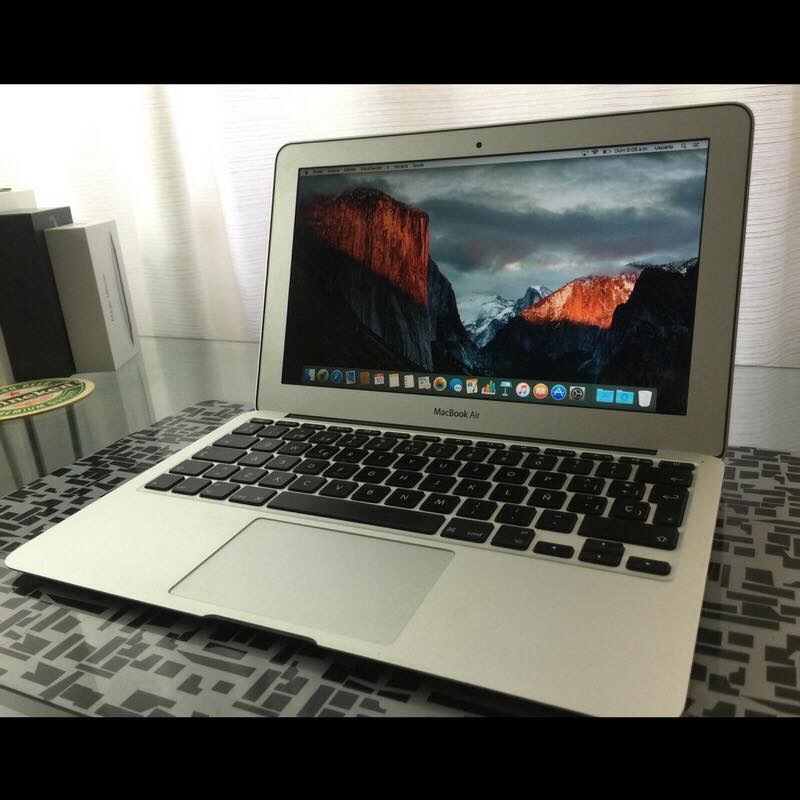
What the 90 days covers
If a hardware fault turns up in the first 90 days, bring the machine back and we deal with it. That is the whole arrangement, and it is deliberately simple.
The same 90 days applies to hardware repairs and any part we fit. So if we replace something under the warranty, the replacement is covered too.
What a hardware warranty does not cover is the machine being dropped, sat on, spilled into or otherwise damaged after it left us. That is not a hardware fault, it is an accident. We will still look at it and quote the repair — the parent workshop does exactly that work — but it is a repair, not a warranty claim.
Why a warranty is only as good as the distance to it
A warranty you cannot easily use is not worth much.

Buy a cheap laptop from an interstate online seller and a fault in week three means packaging it, paying to post it, waiting, and hoping. A fair number of people simply give up and eat the loss, which is presumably part of the business model.
We are in Bayswater, a short run from the city, and we sell across Perth and the inner suburbs. A warranty claim here is a trip up the road. That proximity is doing as much work as the 90 days itself.
A workshop machine versus a private sale
This is the comparison most people are actually weighing up, so here it is straight.
A private sale is somebody selling a laptop they no longer want. Nobody has opened it. Nobody has tested it past switching it on. Nobody has looked at the battery, the cooling, the hinge or the drive's condition. The price is lower for exactly that reason — you are buying the risk as well as the laptop. If it fails in a fortnight, there is nobody to ring.
A workshop machine has been opened, cleaned out and checked over. Worn or failing parts have been replaced. The drive has been wiped properly and the operating system installed fresh. If the storage was slow or small it got an SSD; if the memory was tight it got more. Then it was tested as a whole machine and put on a shelf with a warranty on it.
The second one costs more. It costs more because somebody did work, and because somebody is carrying the risk instead of handing it to you.
What actually gets checked
Not a list of specifications — the parts that fail on a three or four year old laptop.
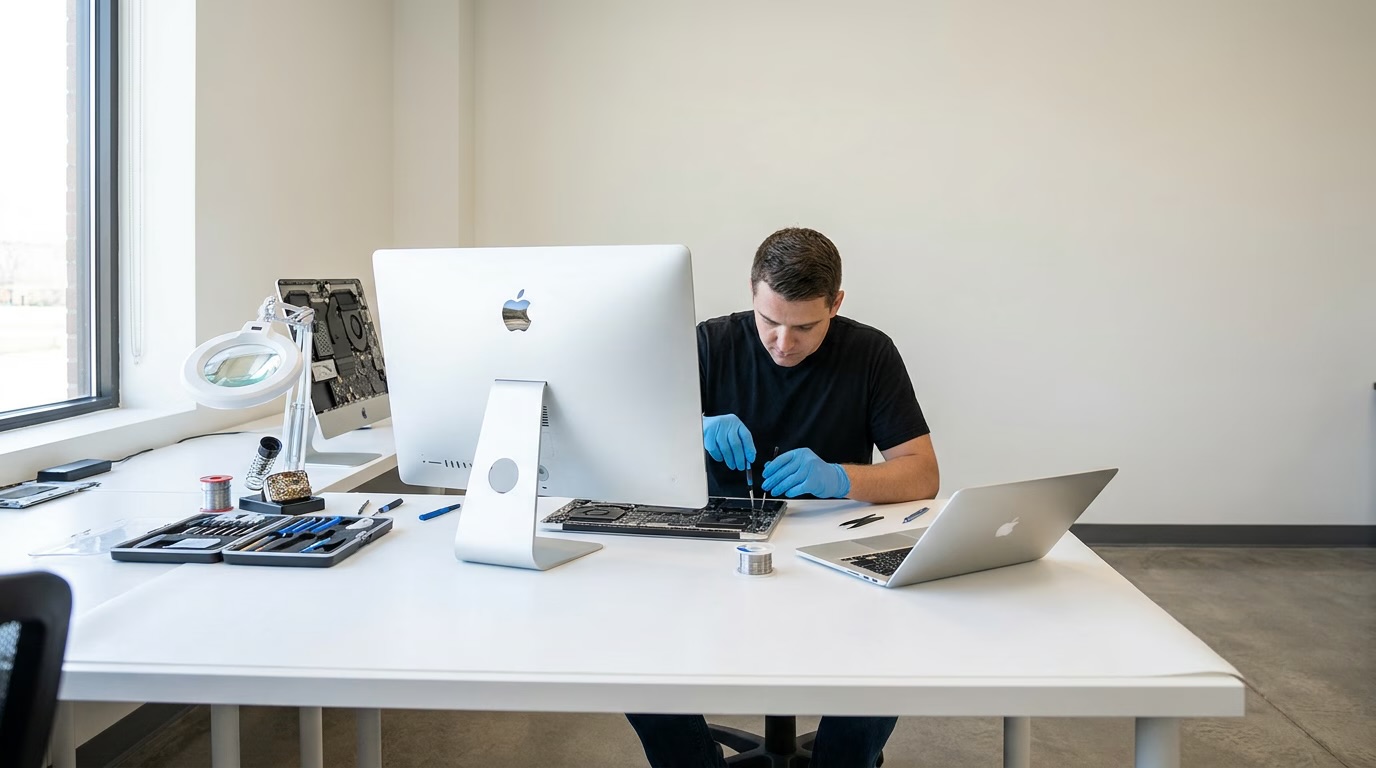
The battery, because batteries wear and a second-hand one has a few years on it. The cooling, because dust is what makes an older laptop run hot and slow. The hinge, ports and charging socket, because those are mechanical and mechanical things wear out. The drive, because a drive that is on its way out will take your work with it.
You do not have to check any of this yourself. That is the point of buying from a bench.
Where the machines come from
Mostly corporate fleets. The office towers in the city replace their computers every few years, and a laptop specified for a business user was built to last several years and designed to be serviced rather than thrown away.
That is a very different object to a cheap consumer laptop of the same age. It is the reason a three-year-old business machine can carry a warranty at all.
Before you buy — the honest version
If the laptop you already own is only a couple of years old and has simply got slow, buying another one may be the expensive answer. Storage and memory are usually what has run out, both can be changed, and everything on the machine stays where it is. We will tell you that rather than sell you a replacement. SSD and memory upgrades
And if you are replacing a machine, the old one can come in as a trade-in against the new one. Device trade-in
How to get one
Ring us or send the form and tell us what the laptop is for. We will tell you what is on the bench and what it costs, as a firm quote within 24 hours. Nothing starts until you agree it, and most jobs are done in two to three days.
Open Monday to Friday, 10am to 4pm.
Refurbished laptops in Perth · Refurbished computers · Common questions